
Wystawa w Galerii Rzeczna w Rybniku 12.06-06.09.2006.
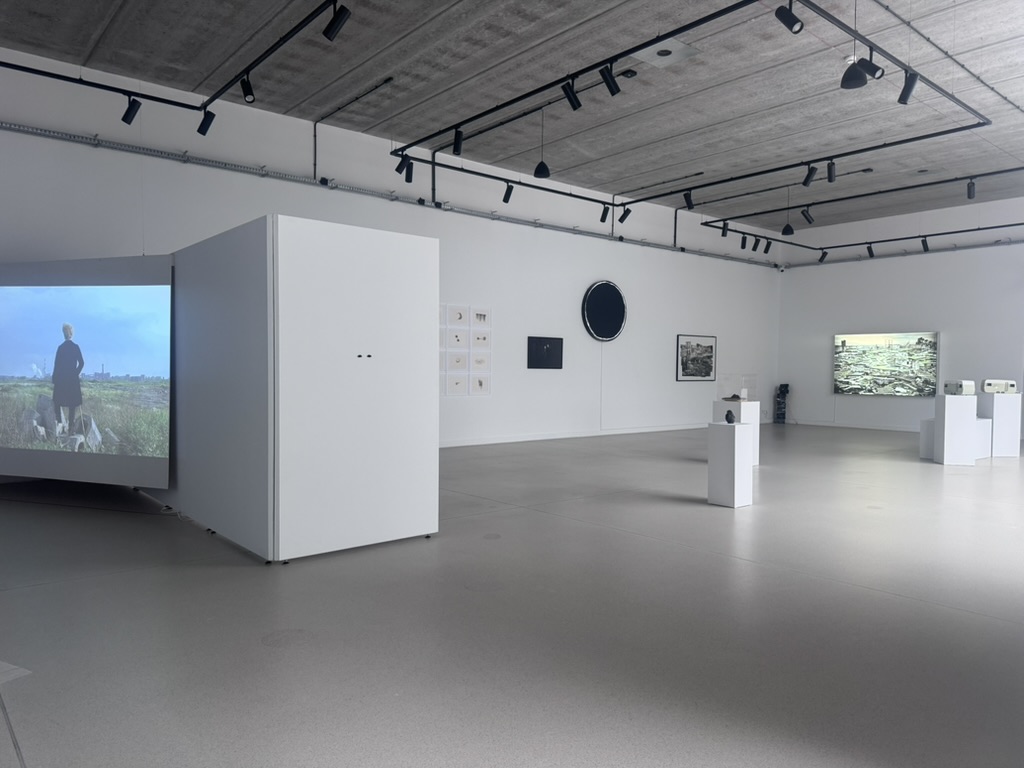
Widok wystawy “SERCE Z WĘGLA”
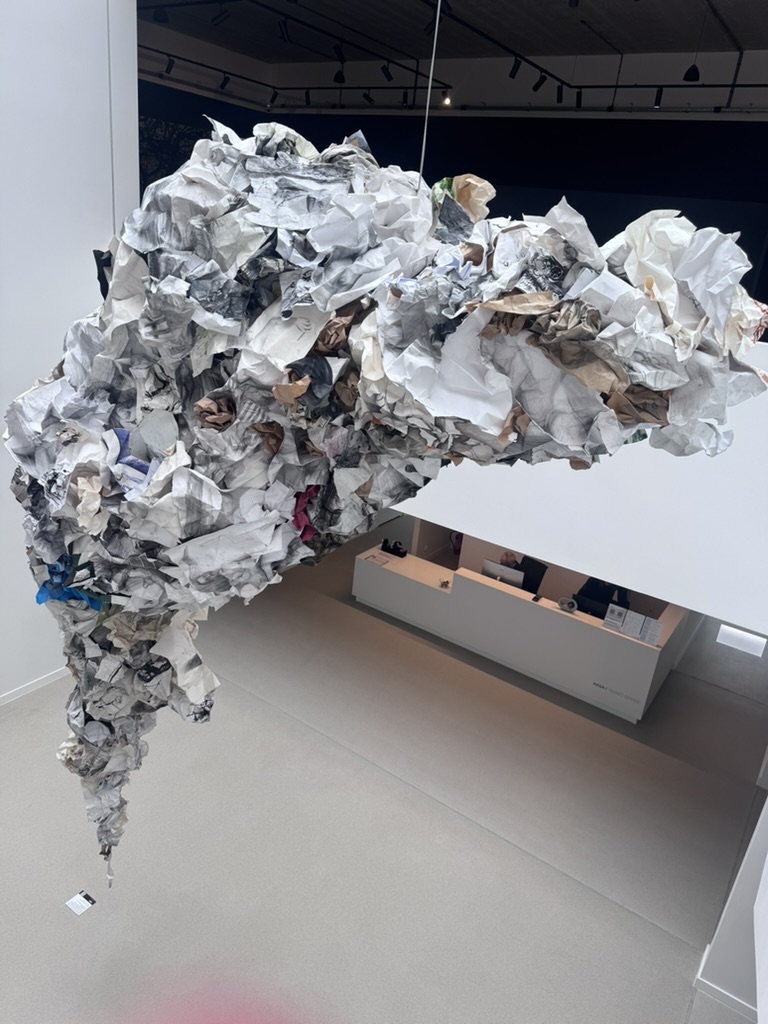
“DYM”, 2026, praca wykonana z moich studenckich rysunków i rysunków uczniów Państwowego Ogniska Plastycznego w Rydułtowach, do którego uczęszczałam w latach 90tych
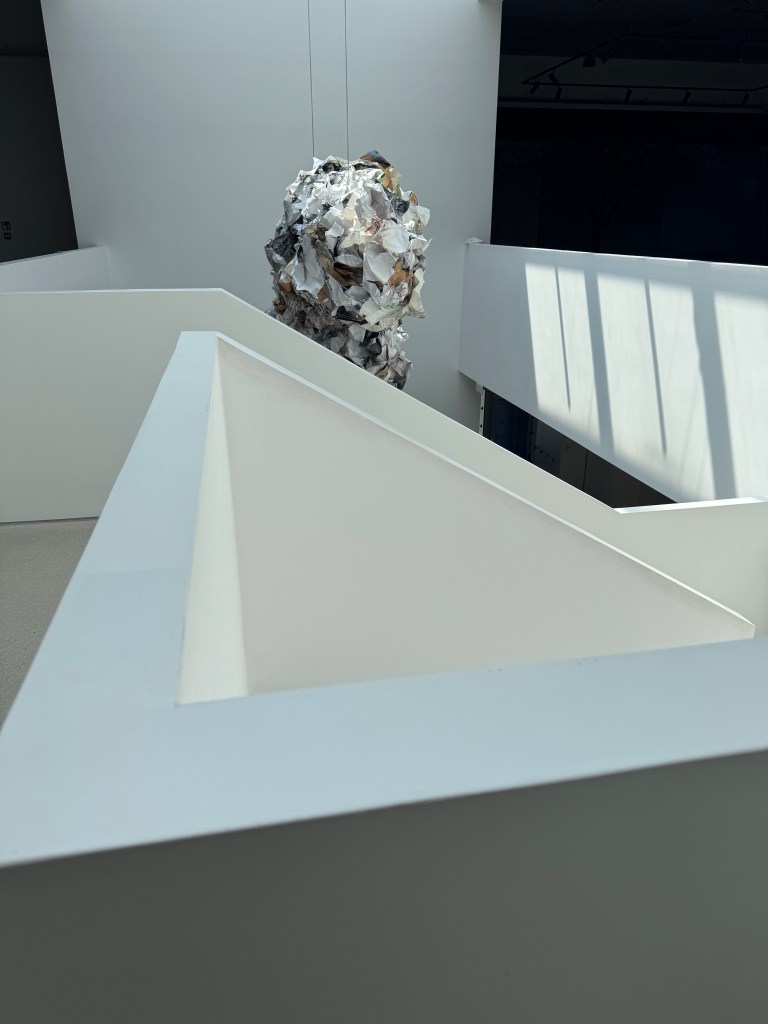
Widok z góry na “DYM”
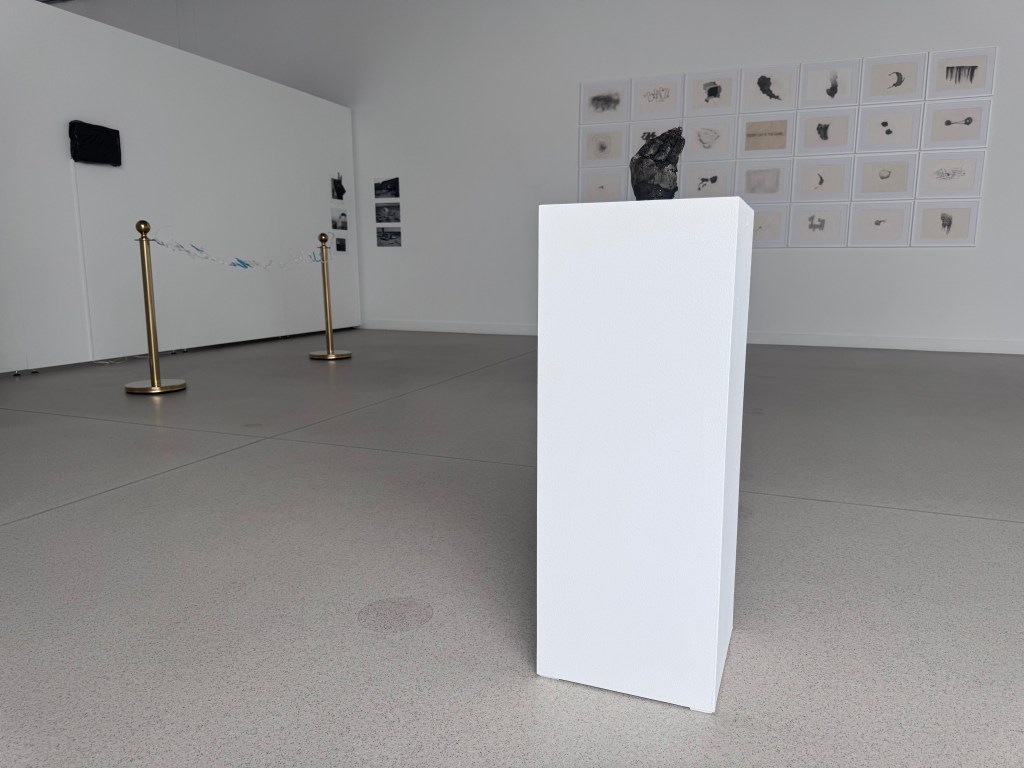
Widok wystawy
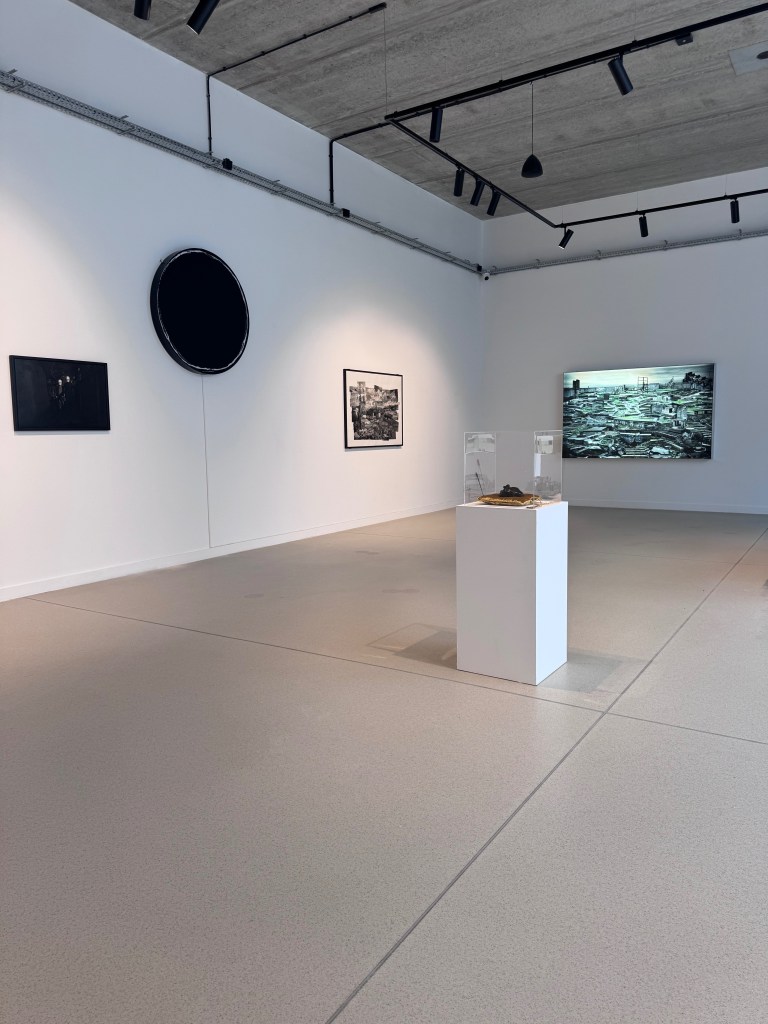
Widok wystawy
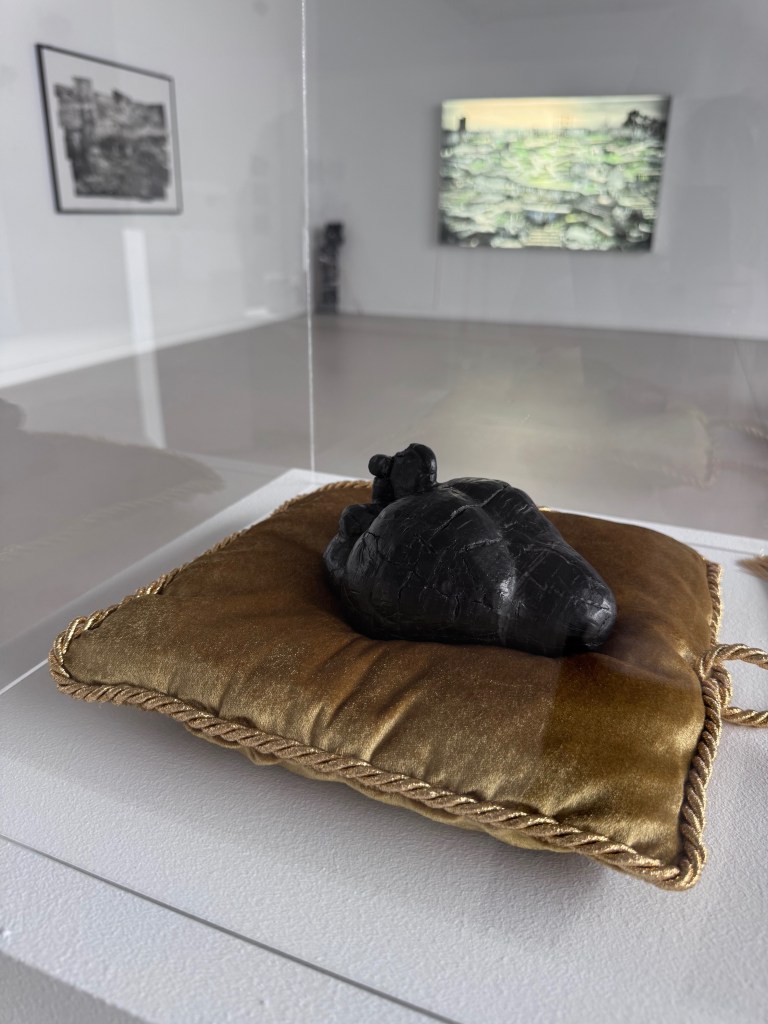
“SERCE”, obiekt z węgla, 2008
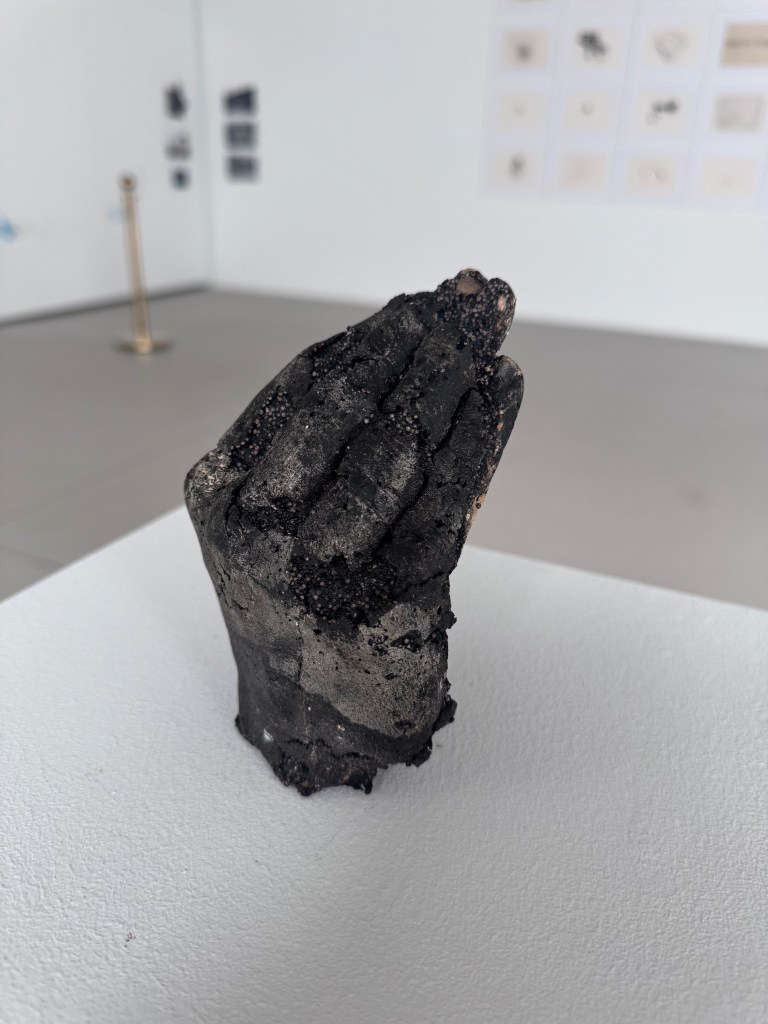
“RĘKA”, obiekt wykonany w technice mieszanej (kit dekarski, żużel, pył węglowy), 2021
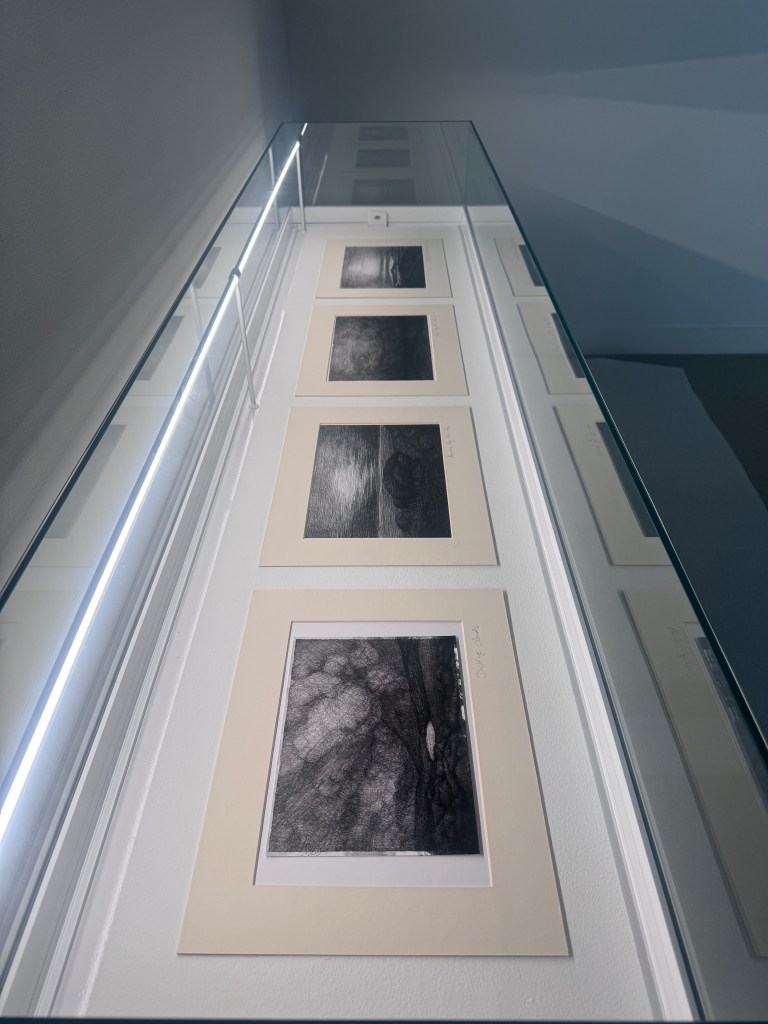
“AFTER FRIEDRICH”, rysunki inspirowane obrazami Caspara Davida Frierdicha, z których usunęłam postaci, cienkopis, 2009
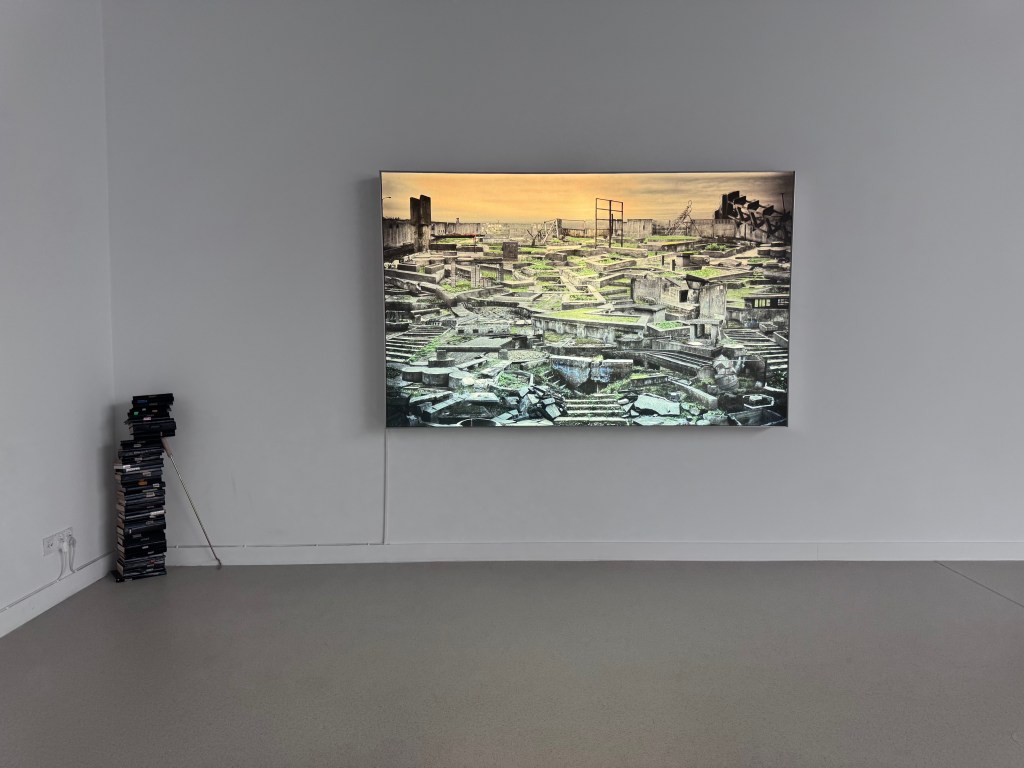
“PAST PRESENT CONTINUOUS”, Lightbox, 2009. Praca z kolekcji Muzeum Narodowego w Lublinie. Collage. Przeszło 200 obiektów niepotrzebnej, zdegradowanej architektury, znalezionych w Warszawie, które zbudowały nowy pejzaż, ruiny.
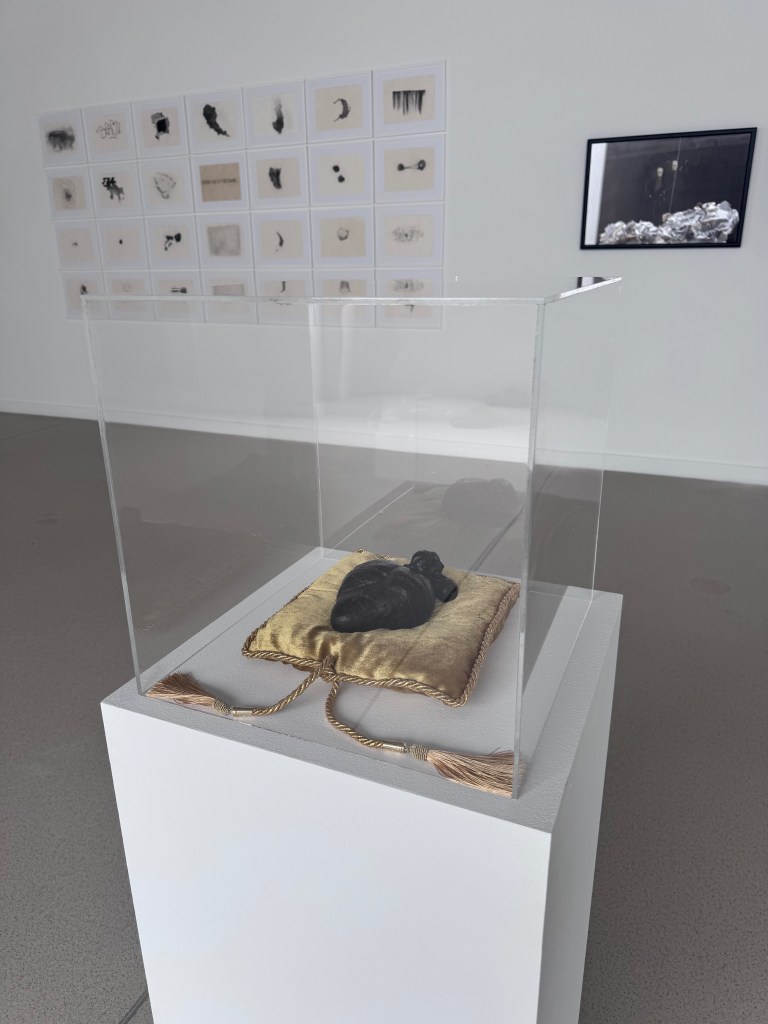
“SERCE Z WĘGLA”, 2008. W tle cykl 28. rysunków “Szkice do studium…”, 2009

“DEATH IN THE GARDEN”, fotografia, 2011, z kolekcji Leszka Kolankiewicza
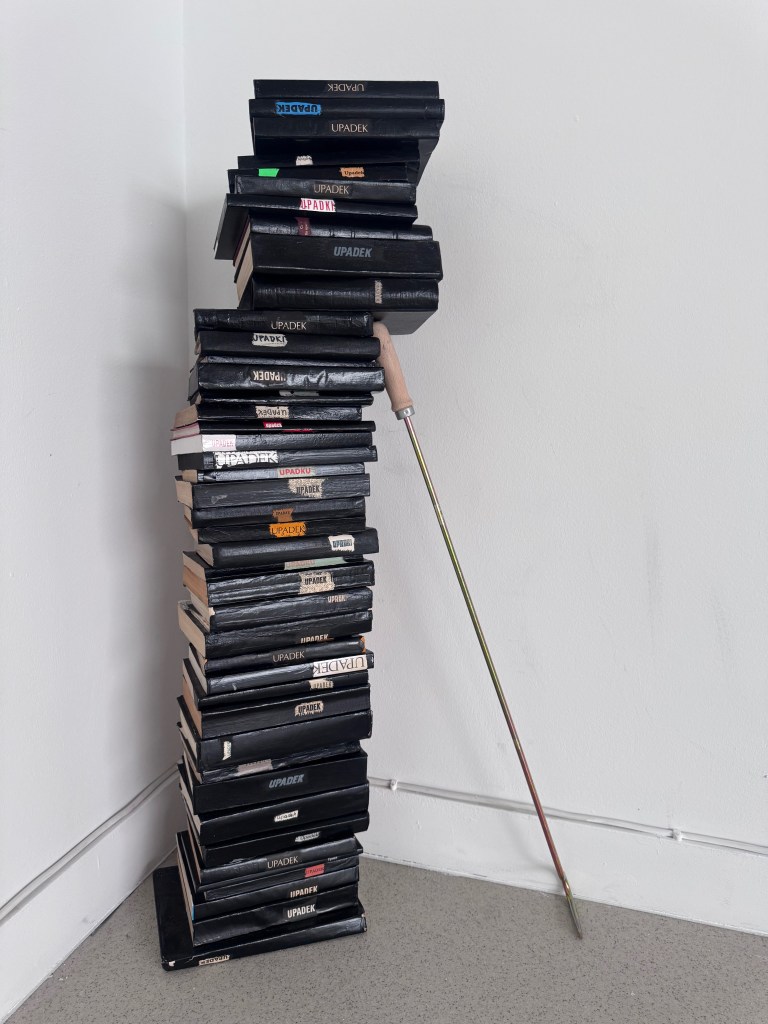
“UPADEK”, obiekt, 2012
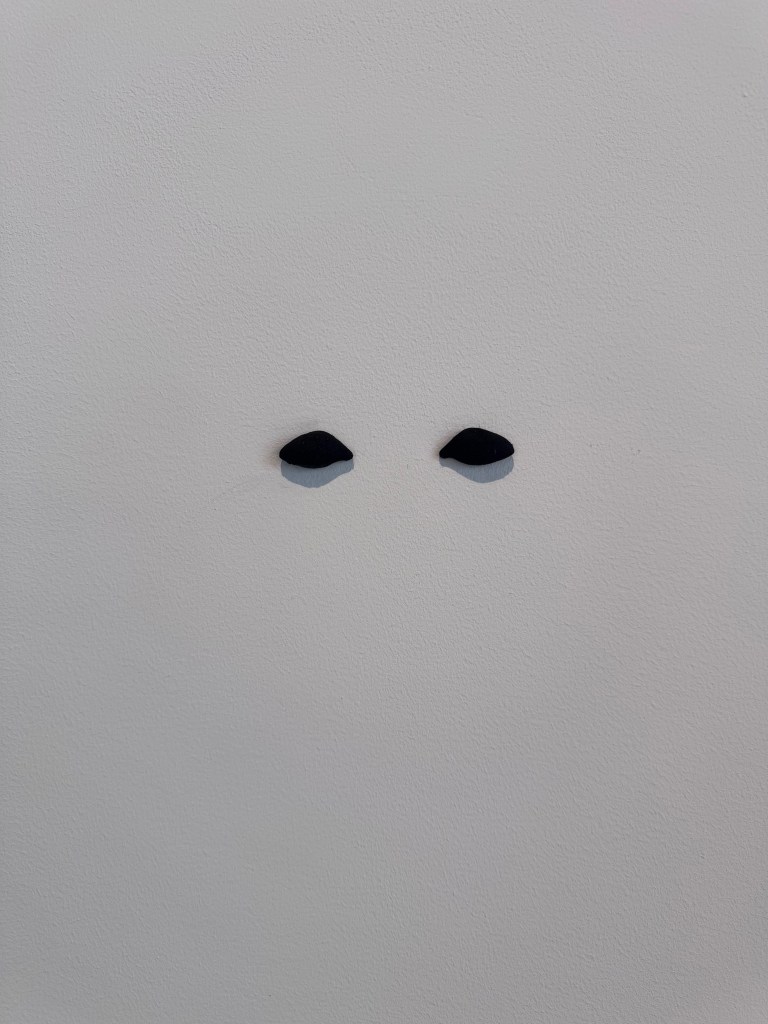
“OCZY”, naturalnych rozmiarów obiekt. Moje oczy pokryte pyłem węglowym. Około 10 cm na 2 cm
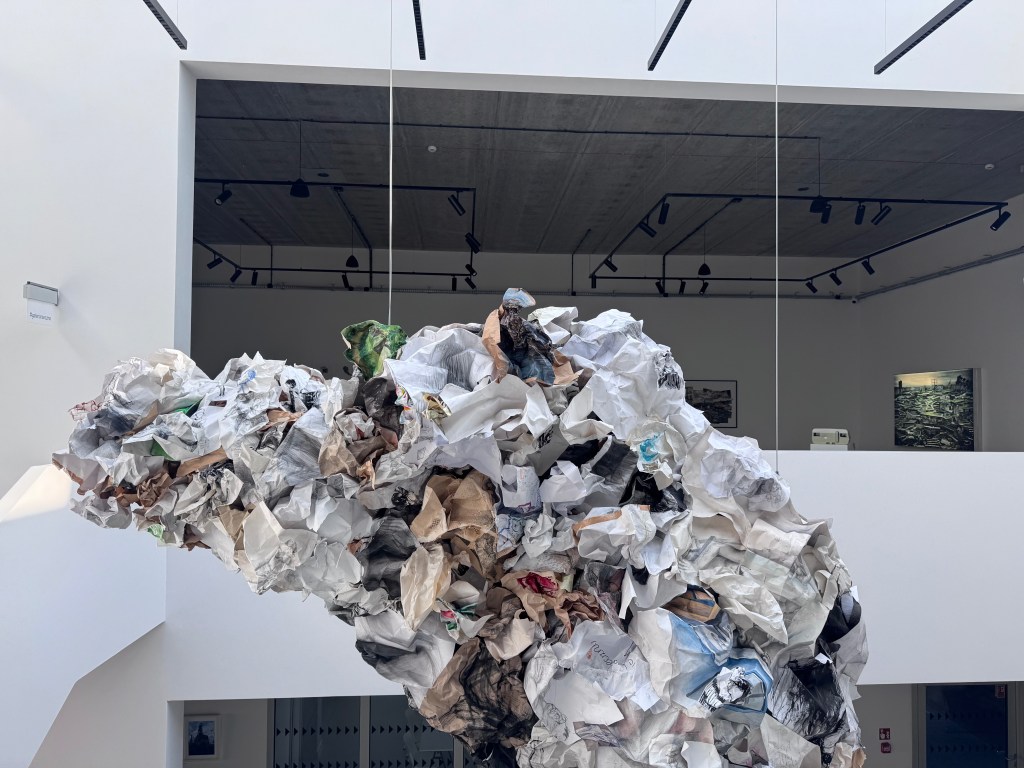
“DYM”, widok z piętra
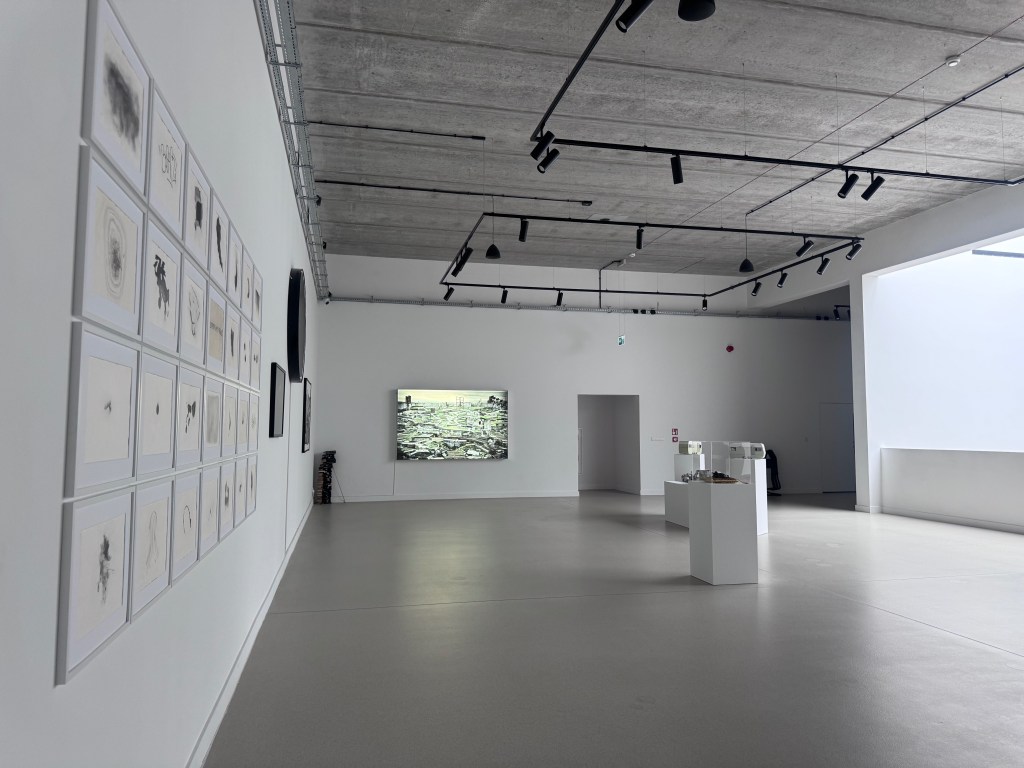
Widok wystawy
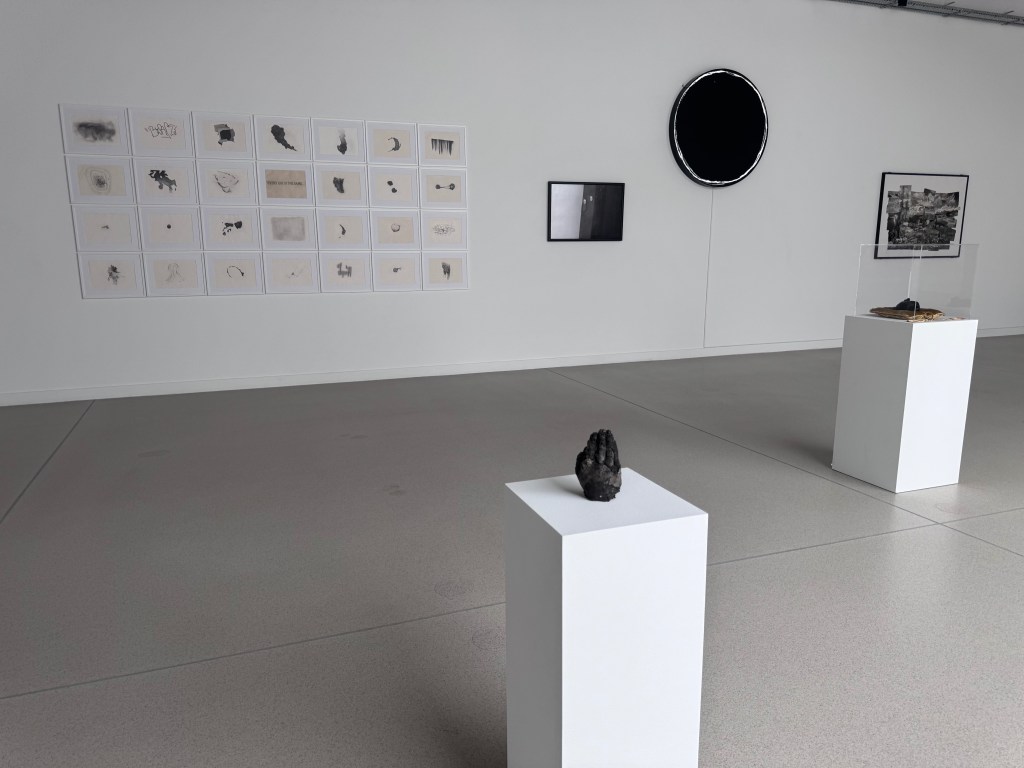
Widok wystawy
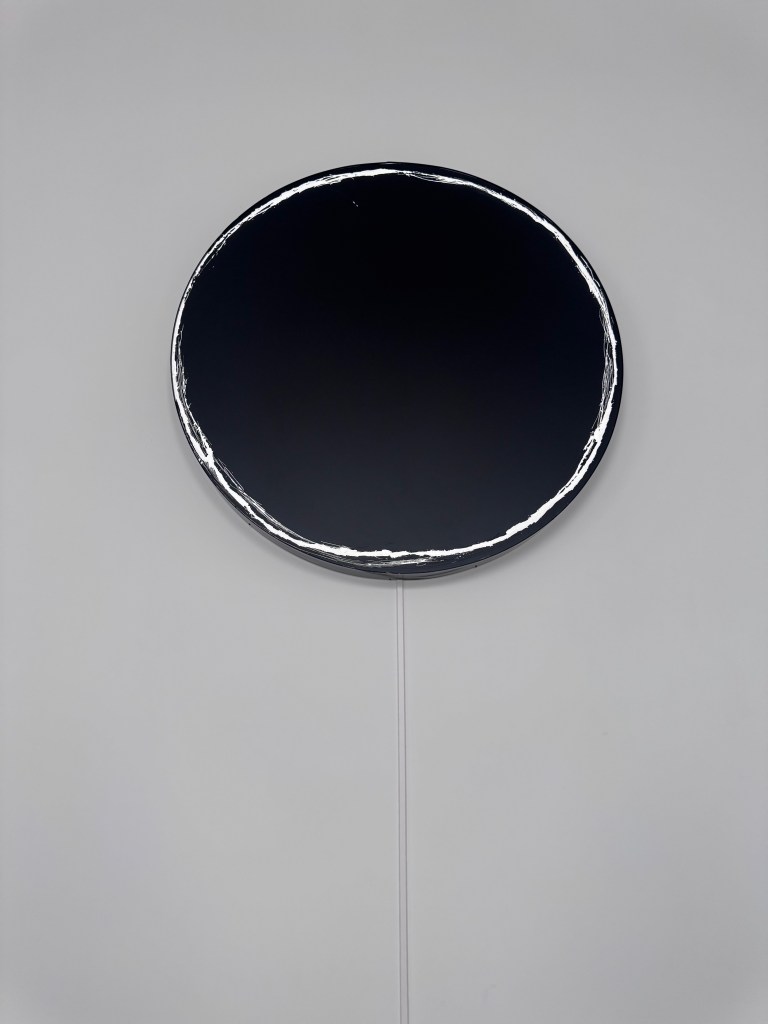
“CIGARETTE BURN”, obiekt podświetlany, 2021 (obiekt inspirowany znakami na taśmie filmowej, które umieszczali montażyści dla operatorów kin. W latach 60-70 takie czarne kółko lub kwadrat w prawym górym rogu dla operatora oznaczało zmianę taśmy.)
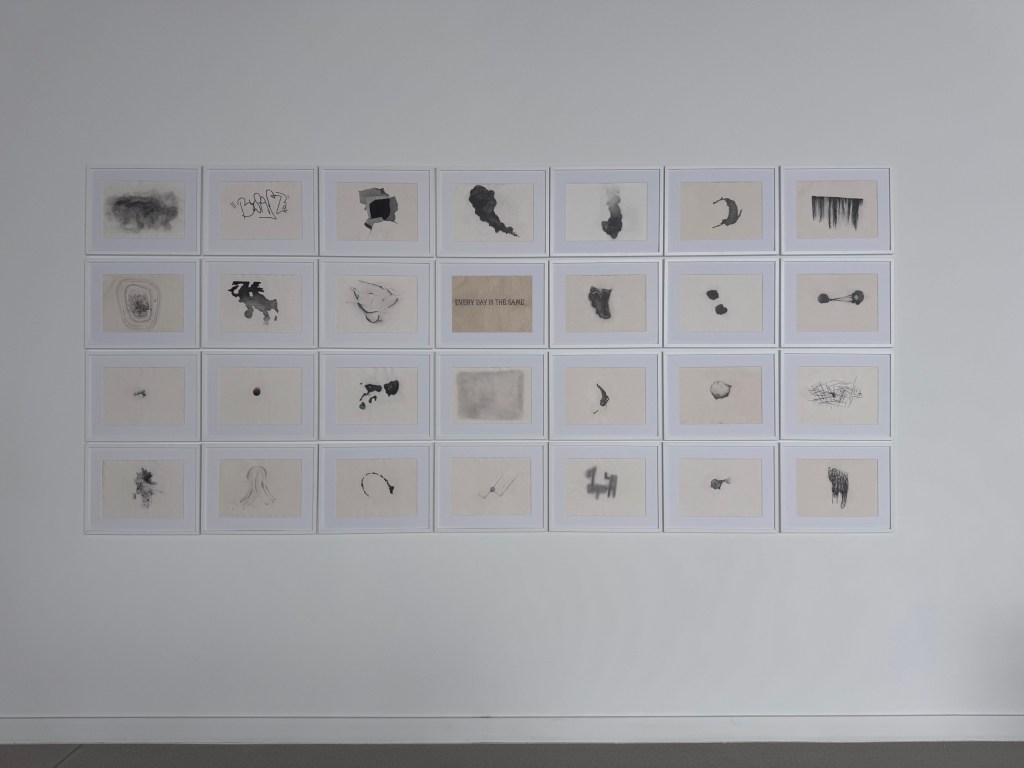
Rysunki z cyklu “SZKICE DO STUDIUM…”, 2009. Szkice do studium brudu, zacieków, osadów, kurzu, moczu, petów, brudu i między innymi też ptasich odchodów. Wykonane w Bratysławie podczas (nudnej) rezydencji twórczej,.
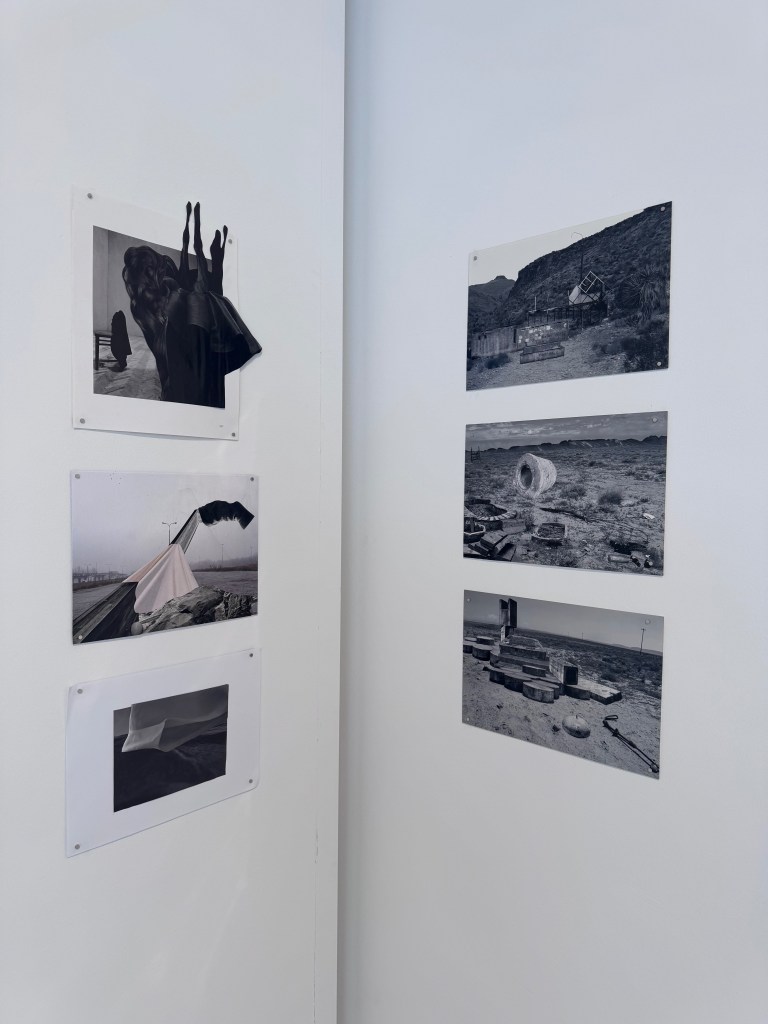
Kolaże. Z lewej “NIEISTNIEJĄCE RZEŹBY” , z prawej “KRAJOBRAZ NIEBYŁY”.
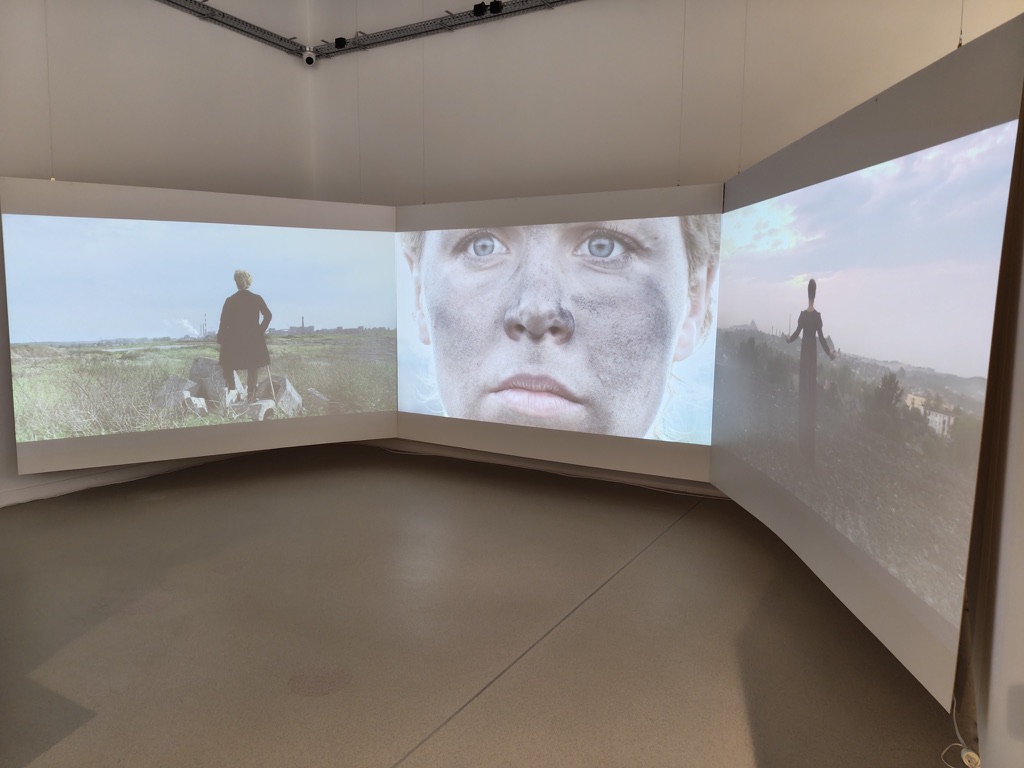
“UNTITLED (FRIEDRICH)”, 2008, trójkanałowa projekcja video powstała na niedobczyckiej hałdzie (widok na Kopalnię Marcel i na hałdę “Szarlota” w Rydułtowach)
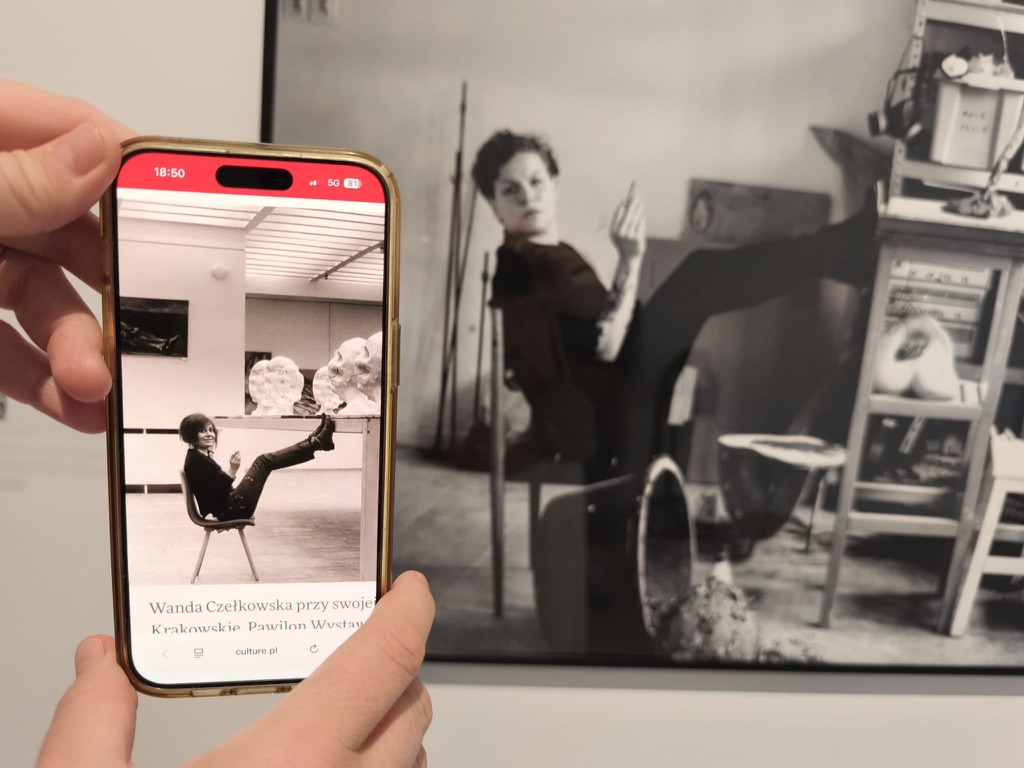
“HOMMAGE À CZEŁKOWSKA”, 2019, fotografia inspirowana fotografią Wandy Czełkowskiej, 100/70cm
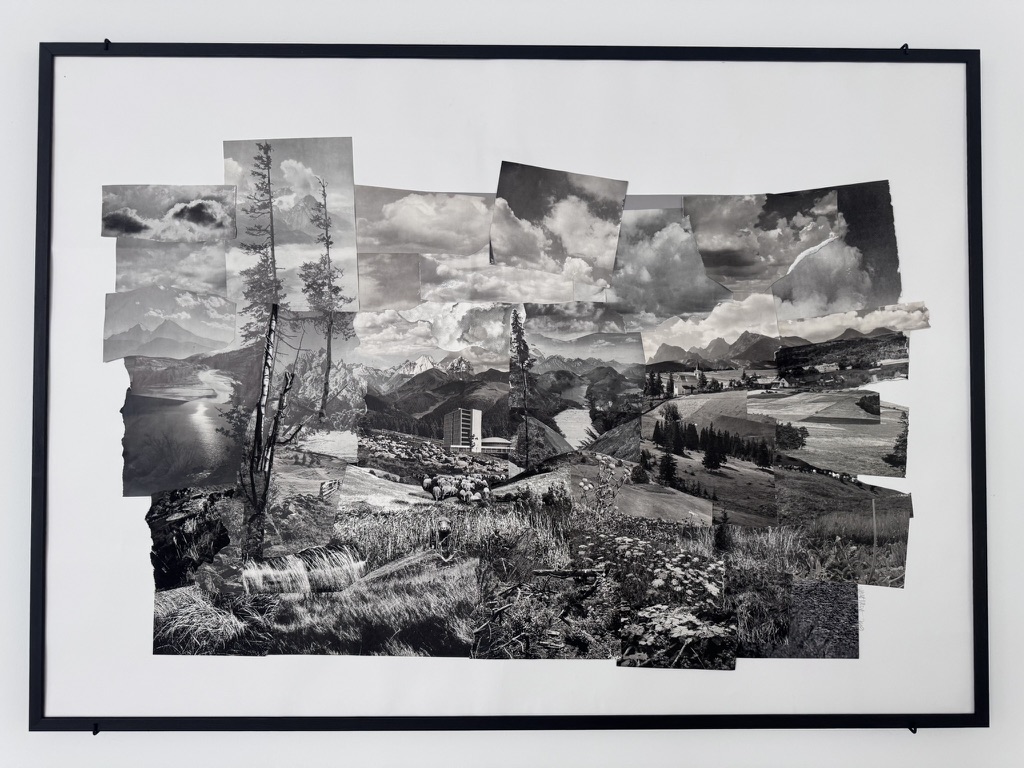
Kolaż “LAS”, 2019, około 120/100 cm
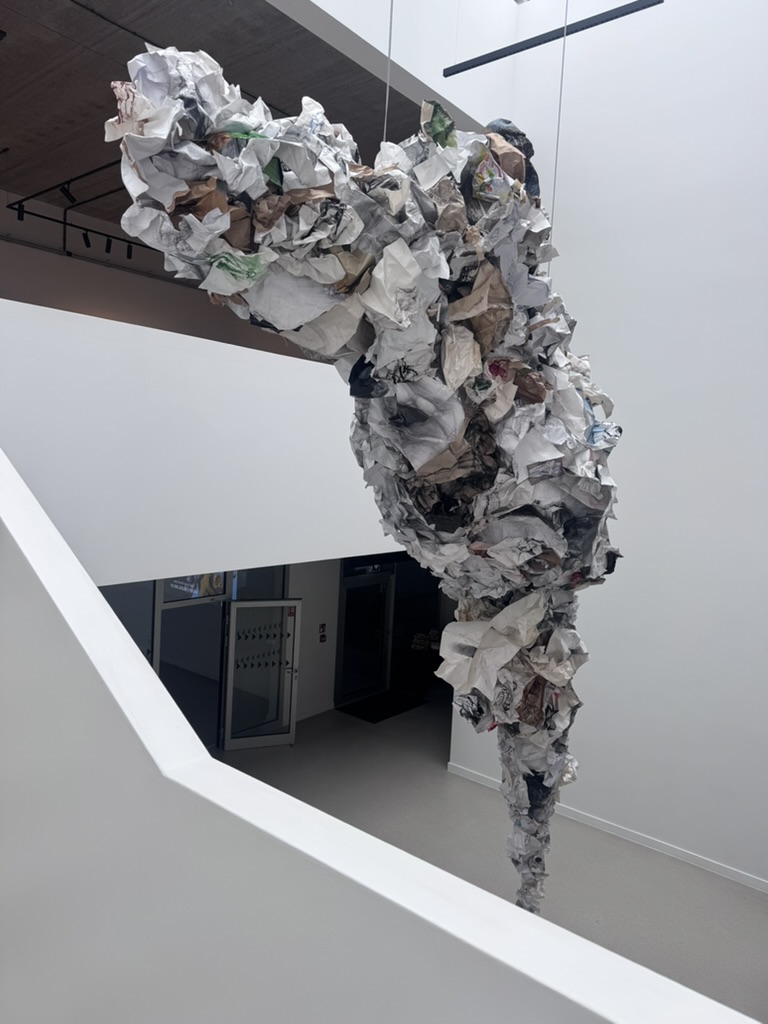
“DYM”, 2026
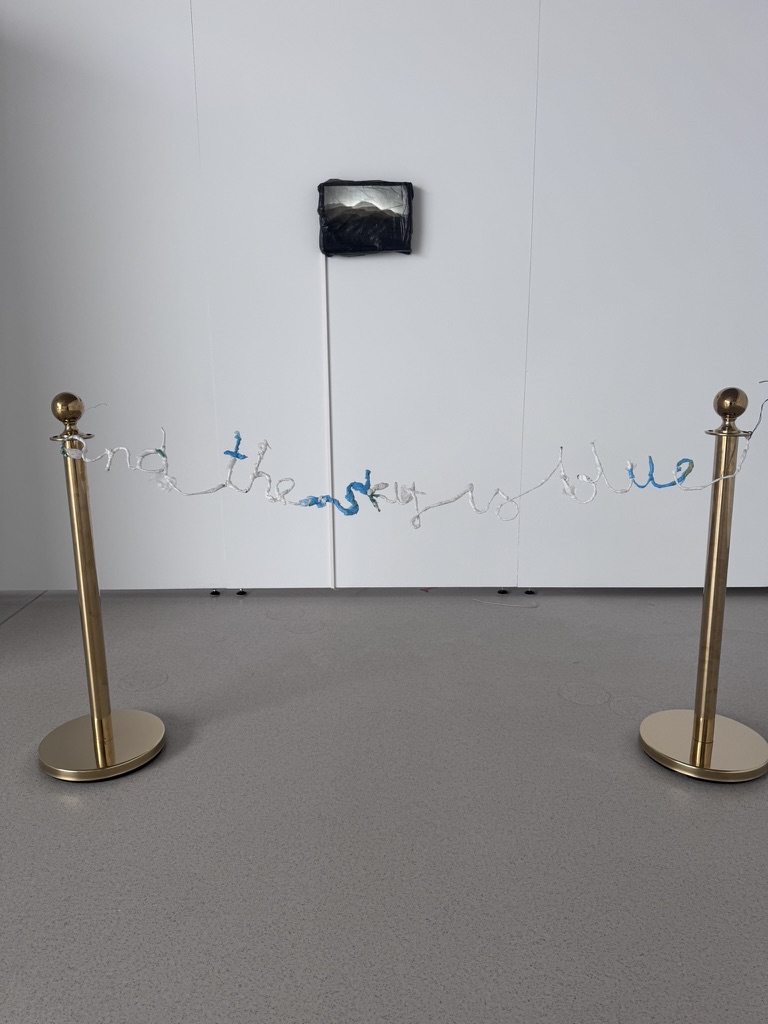
“AND THE SKY IS BLUE”, Lightbox, worki plastikowe, złote słupki, 2009
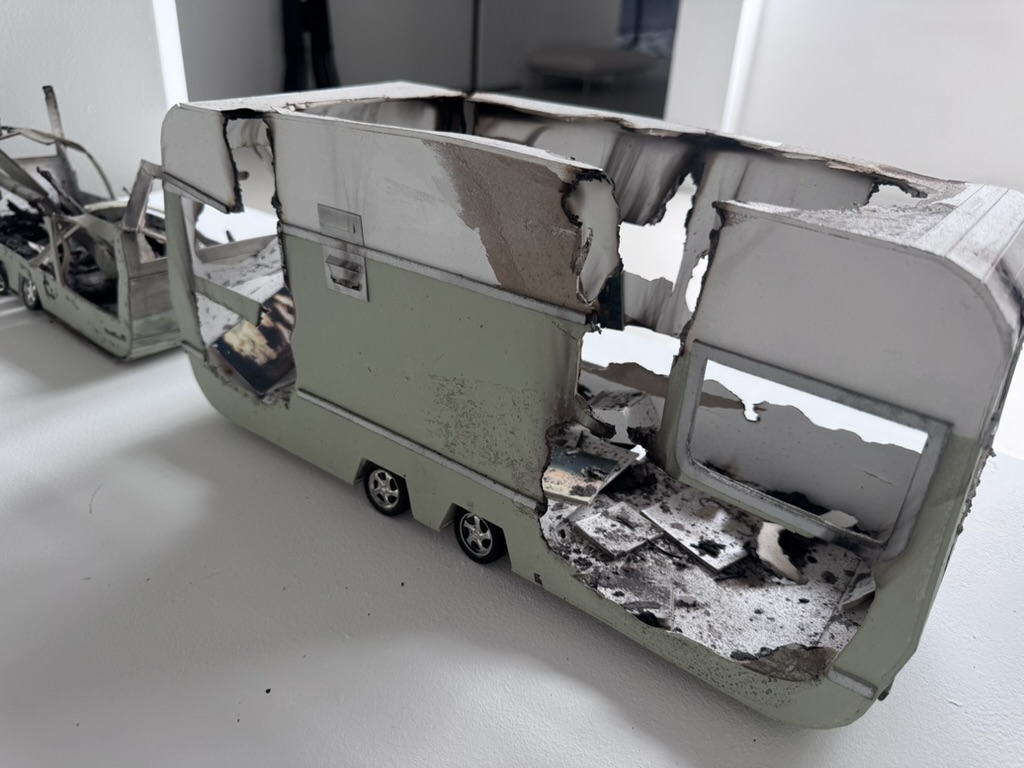
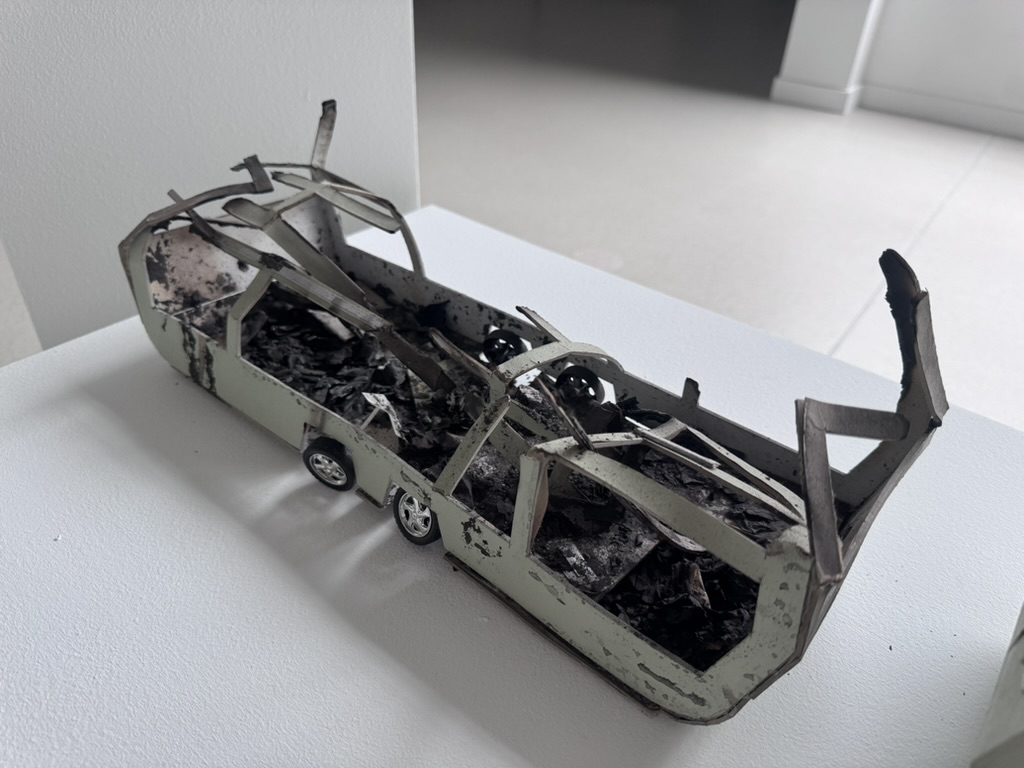
“PRZYCZEPY”, 2008. Makiety z tektury. W obiektach miniaturki moich prac. Cztery obiekty. Od
gotowej wystawy po spaloną wystawę (w ostatniej przyczepie)
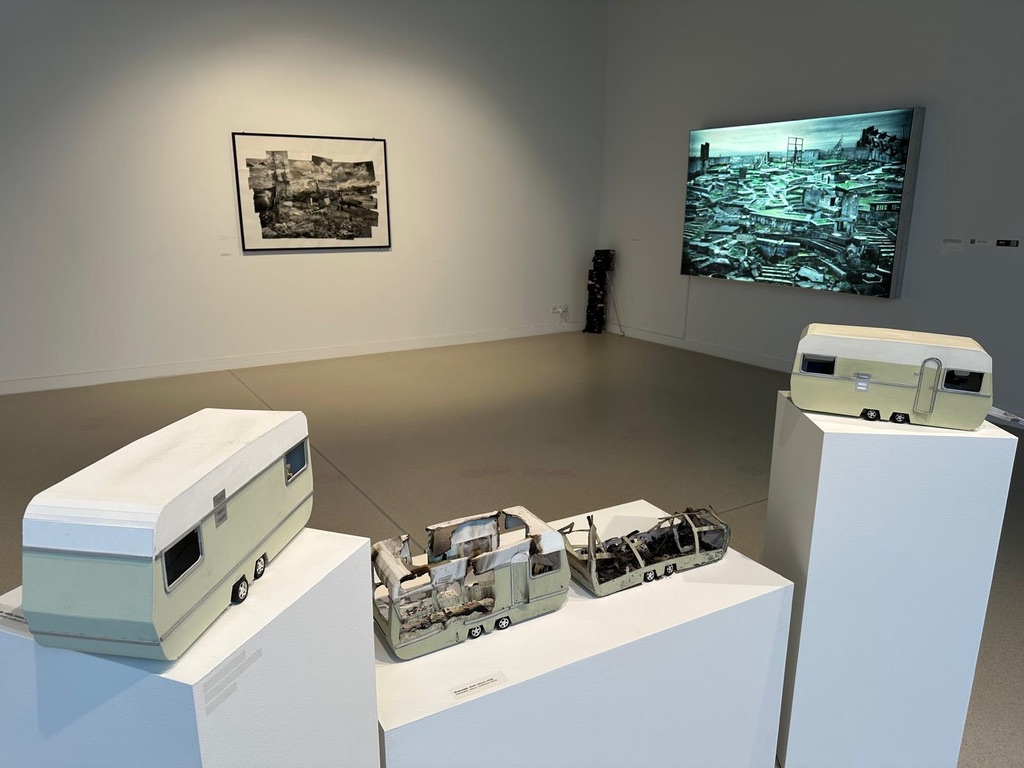
Widok wystawy (Przyczepy, Past Present Continuosu i kolaż LAS)
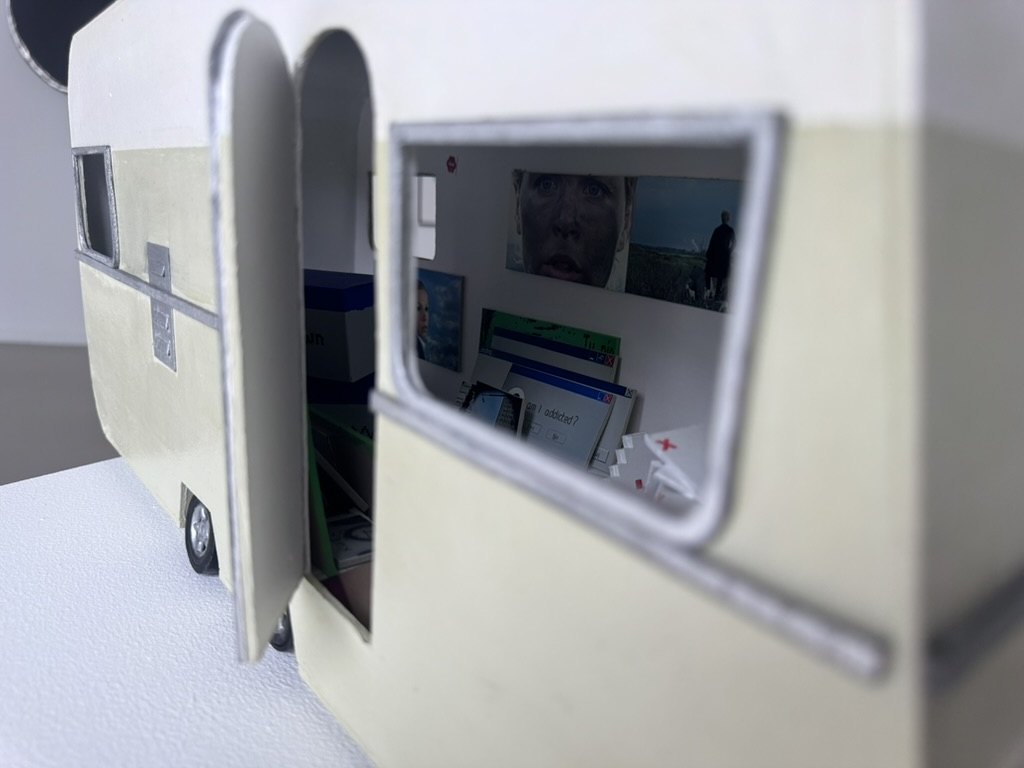
Wnętrze jednej z przyczep, w której została zorganizowana moja wystawa indywidualna, 2008
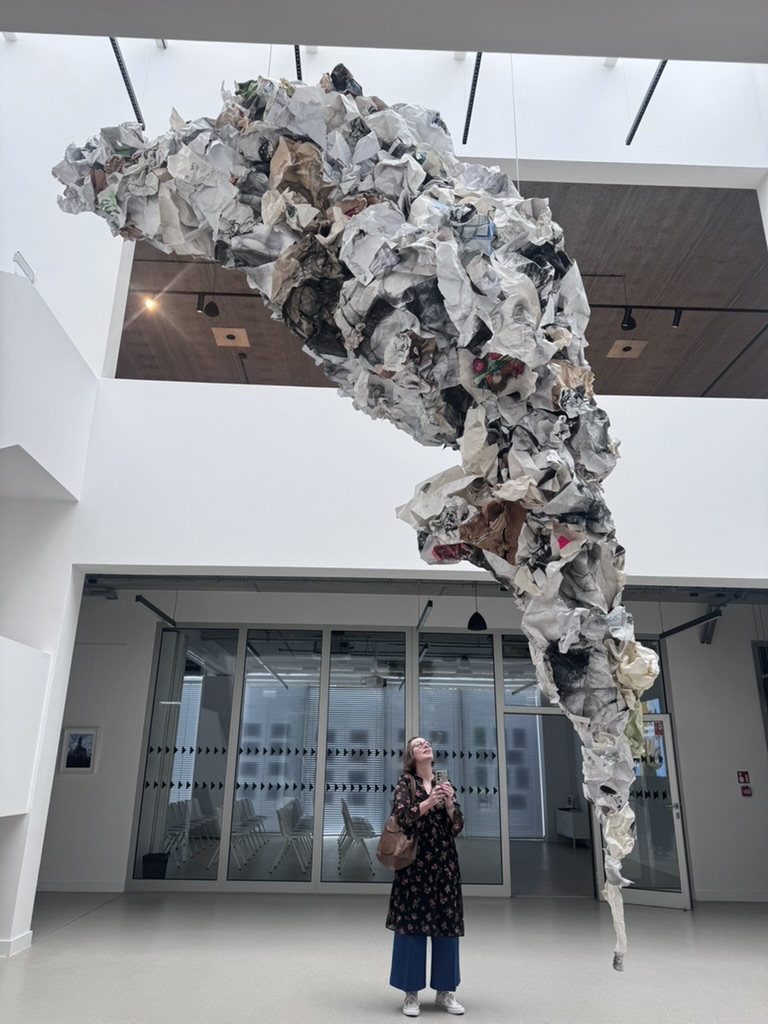
“DYM”, 2026
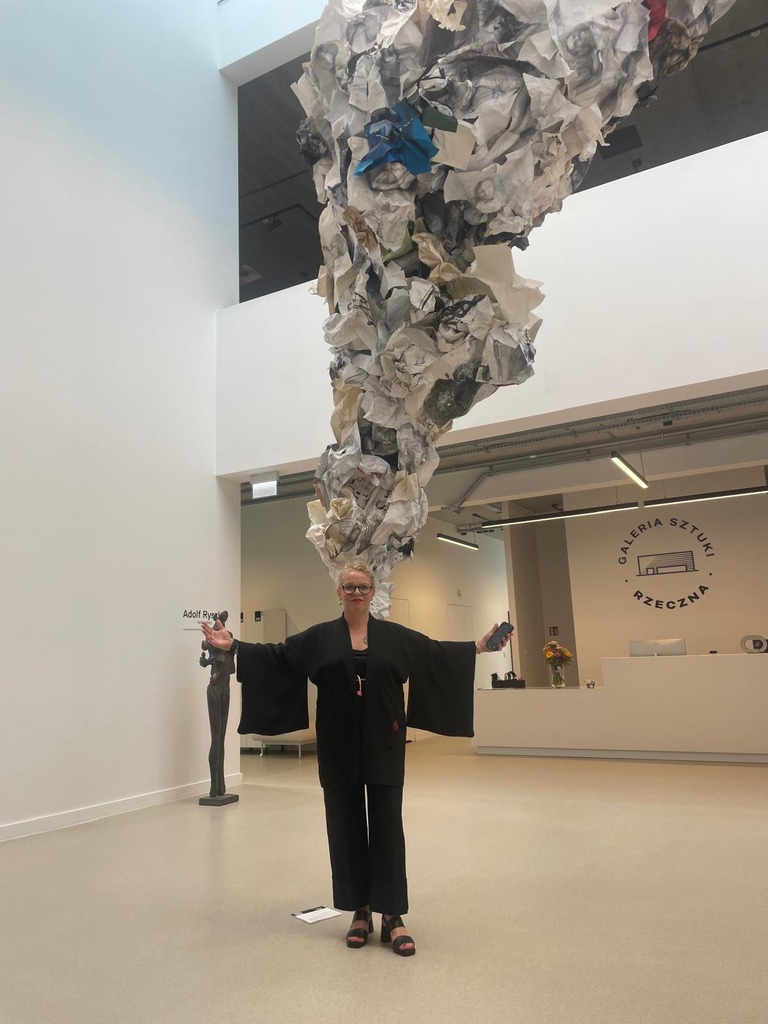
“DYM”,2026. I ja.
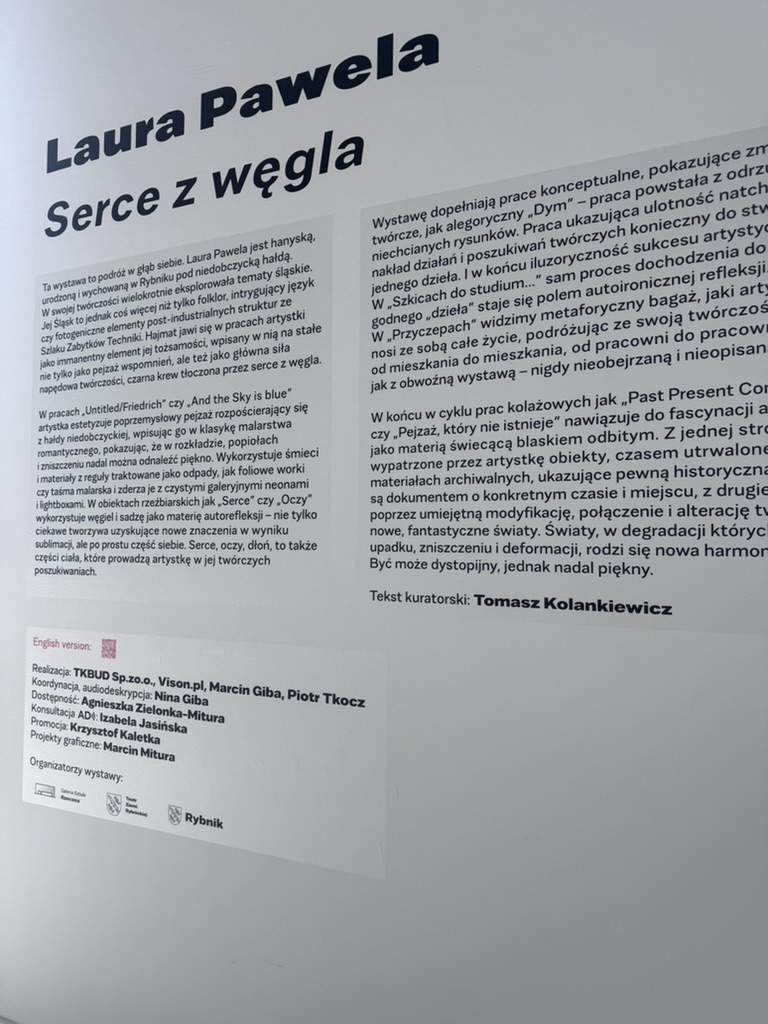
Ta wystawa to podróż w głąb siebie. Laura Pawela jest hanyską, urodzoną i wychowaną w Rybniku pod niedobczycką hałdą. W swojej twórczości wielokrotnie eksplorowała tematy śląskie. Jej Śląsk to jednak coś więcej niż tylko folklor, intrygujący język czy fotogeniczne elementy post-industrialnych struktur ze Szlaku Zabytków Techniki. Hajmat jawi się w pracach artystki jako immanentny element jej tożsamości, wpisany w nią na stałe nie tylko jako pejzaż wspomnień, ale też jako główna siła napędowa twórczości, czarna krew tłoczona przez serce z węgla.
W pracach „Untitled/Friedrich” czy „And the Sky is blue” artystka estetyzuje poprzemysłowy pejzaż rozpościerający się z hałdy niedobczyckiej, wpisując go w klasykę malarstwa romantycznego, pokazując, że w rozkładzie, popiołach i zniszczeniu nadal można odnaleźć piękno. Wykorzystuje śmieci i materiały z reguły traktowane jako odpady, jak foliowe worki czy taśma malarska i zderza je z czystymi galeryjnymi neonami i lightboxami. W obiektach rzeźbiarskich jak „Serce” czy „Oczy” wykorzystuje węgiel i sadzę jako materię autorefleksji – nie tylko ciekawe tworzywa uzyskujące nowe znaczenia w wyniku sublimacji, ale po prostu część siebie. Serce, oczy, dłoń, to także części ciała, które prowadzą artystkę w jej twórczych poszukiwaniach.
Wystawę dopełniają prace konceptualne, pokazujące zmagania twórcze, jak alegoryczny „Dym” – dzieło powstałe z odrzuconych, niechcianych rysunków. Praca ukazująca ulotność natchnienia, nakład działań i poszukiwań twórczych konieczny do stworzenia jednego dzieła. I w końcu iluzoryczność sukcesu artystycznego. W „Szkicach do studium…” sam proces dochodzenia do tematu godnego „dzieła” staje się polem autoironicznej refleksji. W „Przyczepach” widzimy metaforyczny bagaż, jaki artystka nosi ze sobą całe życie, podróżując ze swoją twórczością od mieszkania do mieszkania, od pracowni do pracowni, jak z obwoźną wystawą – nigdy nie obejrzaną i nie opisaną.
W końcu w cyklu prac kolażowych jak „Past Present Continuous” czy „Pejzaż, który nie istnieje” nawiązuje do fascynacji archiwami jako materią świecącą blaskiem odbitym. Z jednej strony wypatrzone przez artystkę obiekty, czasem utrwalone na materiałach archiwalnych, ukazujące pewną historyczną prawdę, są dokumentem o konkretnym czasie i miejscu, z drugiej zaś, poprzez umiejętną modyfikację, połączenie i alterację tworzą nowe, fantastyczne światy. Światy, w degradacji których, w ich upadku, zniszczeniu i deformacji rodzi się nowa harmonia i ład. Być może dystopijny, jednak nadal piękny.
Tomasz Kolankiewicz
ENGLISH:
Laura Pawela: Heart of Coal
This exhibition is a journey into the depths of her inner self. Laura Pawela is a Hanyska native, born and raised in Rybnik, near the Niedobczyce slag heap. In her work, she has repeatedly explored Silesian themes. However, her Silesia is more than just folklore, an intriguing language, or the photogenic elements of post-industrial structures from the Industrial Monuments Route. In the artist’s works, Hajmat appears as an immanent element of her identity, permanently embedded not only as a landscape of memories but also as the main driving force of her creativity, black blood pumped through a heart of coal.
In works such as “Untitled/Friedrich” and “And the Sky is Blue” the artist aestheticizes the post-industrial landscape stretching from the Niedobczyce slag heap, inscribing it in the classics of Romantic painting, demonstrating that beauty can still be found in decay, ashes, and destruction. She utilizes trash and materials typically treated as waste, such as plastic bags and masking tape and juxtaposes them with clean neon signs and lightboxes. In sculptural objects like “Heart” and “Eyes,” she uses charcoal and soot as a material for self-reflection -not just interesting materials acquiring new meanings through sublimation, but simply a part of herself. The heart, eyes, and hand are also body parts that guide the artist in her creative explorations.
The exhibition is complemented by conceptual works showcasing creative struggles, such as the allegorical “Smoke” a work created from discarded, unwanted drawings. This work demonstrates the transience of inspiration, the amount of creative effort and exploration necessary to create a single work. And, ultimately, the illusory nature of artistic success. In “Sketches for Study…” the very process of arriving at a subject worthy of “work” becomes a field of self-ironic reflection. In “Caravans” we see the metaphorical baggage the artist carries with her throughout her life, traveling with her work from apartment to apartment, from studio to studio, like a traveling exhibition—never seen or described.
Finally, in a series of collage works such as “Past Present Continuous” and “Non-existent landscape” she draws on her fascination with archives as matter shining with reflected light. On the one hand, the objects the artist observes, sometimes captured on archival materials, revealing a certain historical truth, are documents of a specific time and place. On the other, through skillful modification, combination, and alteration, they create new, fantastical worlds. Worlds in whose degradation, in their decline, destruction, and deformation, a new harmony and order emerge.Dystopian, perhaps, but still beautiful.
Tomasz Kolankiewicz

 laura pawela